
AI Can Make the Video. Can It Make the Point?
I started my career as a cameraman at the Seven Network. In those days the hard part of making a film was physical. Cameras were heavy. Tape was expensive. Every shot cost something real.
Today, an AI model can generate a passable product shot, complete with sound, in less time than it used to take us to white-balance a camera.
The technology has moved. The bottleneck has moved with it.
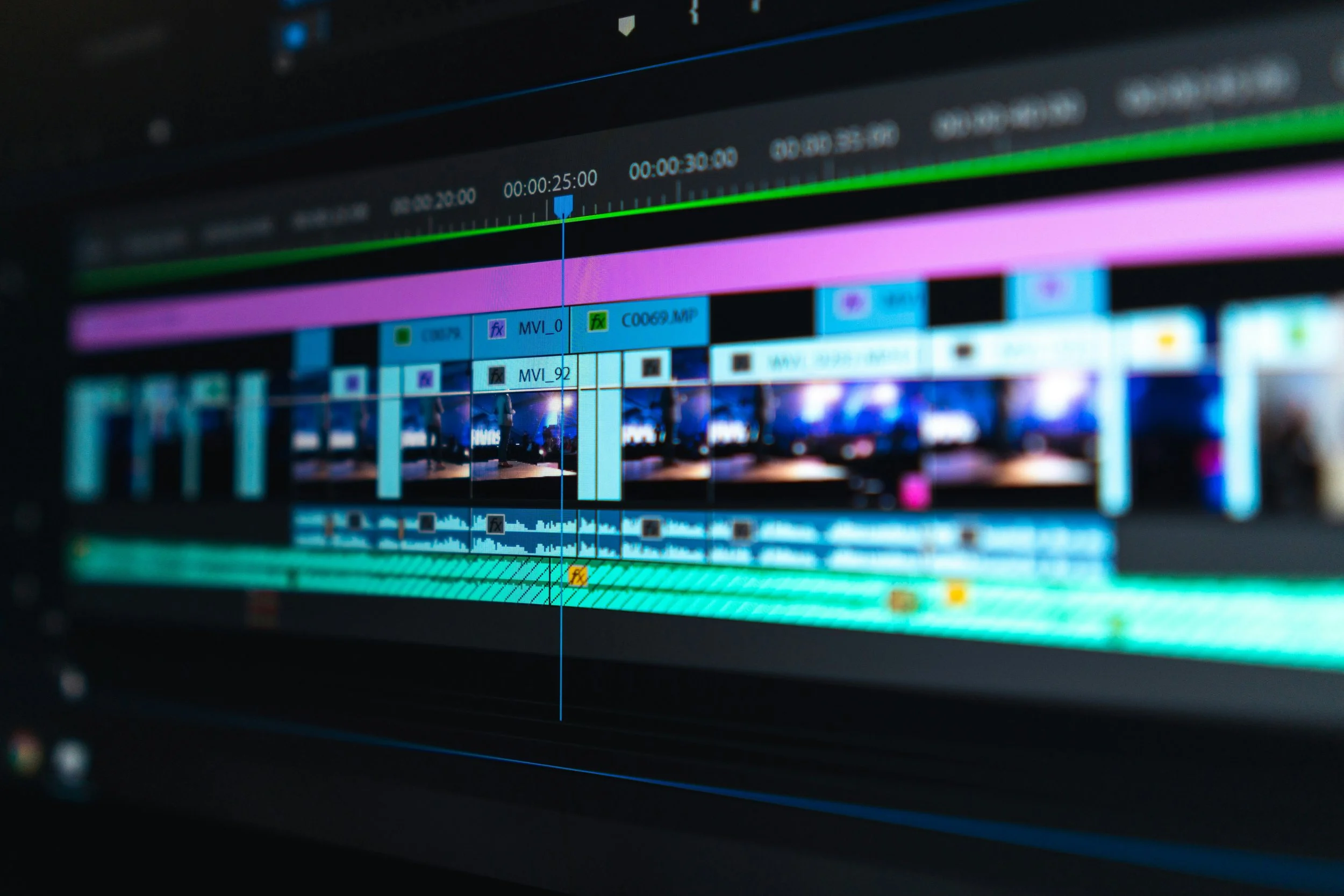
What genuinely improved this year
It's worth being specific, because the noise around AI video makes it hard to separate what works from what's being demoed.
The leading AI video models can now generate synchronised audio alongside the picture, rather than leaving sound as a separate job. They output native vertical formats, so footage no longer has to be cropped from 16:9 to fit a phone. Resolution has climbed, with 4K upscaling now part of the mainstream tools. And iteration is fast. You can test ten visual directions in an afternoon.
For a marketing team, that changes some things immediately. Mood films for internal sign-off. Pre-visualisation before a shoot. Background plates. Simple social cutdowns. Storyboards that move. All of these used to take days and now take hours.
We use these tools at PPP, and we'd be foolish not to.
What still breaks
AI video is still unreliable at the things audiences notice most.
Long scenes drift. Characters change subtly from shot to shot. On-screen text often comes out garbled. And human interaction, two people talking, a handshake, a real reaction, still tends to look slightly wrong in a way viewers feel even if they can't name it.
None of that is a reason to ignore the tools. It is a reason to be clear about where they belong. A ten-second abstract brand moment is a good fit. A three-minute employee story is not.
The real shift: the brief is now the scarce skill
Here is what I think most brands are missing.
When footage was expensive, the cost of making it disciplined everyone. You couldn't afford to shoot ten versions, so you had to decide what the one version was for.
When footage becomes cheap, that discipline disappears. Teams generate more, test more, publish more, and end up saying less. The volume goes up. The point gets lost.
So the most valuable work in a video project has quietly moved upstream. It sits in three questions that no model can answer for you:
• What is the one thing this video needs to say? Not three things. One.
• Who exactly is it for? A procurement head in Singapore and a Gen Z shopper in Ho Chi Minh City need different films.
• What should they do or feel afterwards? If you can't name it, the audience won't either.
Get those right and AI becomes an extraordinary accelerator. Get them wrong and it simply lets you make the wrong video faster.
How we decide what AI should handle
On a typical project, we split the work roughly like this.
Where AI earns its place: research and reference gathering, early script drafts, visual exploration, pre-visualisation, versioning for different platforms, subtitles and transcription, and some background or abstract imagery.
Where people stay in charge: the story, the casting of real people, the performance, the final edit, the cultural read for each market, and the judgment call on whether the film actually works.
That second list hasn't changed much since I started. The first one changes every few months.
Questions to ask before you use AI in a video
If an agency or internal team proposes AI-generated footage for your brand, a few questions will tell you quickly whether it's the right call.
Where will this be seen, and for how long? A three-second background loop and a ninety-second hero film carry very different risks.
Does it show real people or real places? If the audience will assume something is real, generating it raises questions of trust and, increasingly, disclosure.
Who owns the output? Check the terms of the tools being used, especially for commercial and broadcast work.
What happens if it looks wrong? Ask to see tests early. AI output can look impressive in a still frame and fall apart in motion.
Is it saving money, or just moving the cost? Generating footage can be quick. Fixing it, approving it and making it match the rest of the film can take longer than shooting it properly.
None of these questions are reasons to say no. They're reasons to say yes for the right parts of the project, and with your eyes open.
What this means for your next video
If you're planning a video in the next quarter, spend more time on the brief than you think you need. Write the one sentence the film must land. Name the viewer. Decide what success looks like before anyone opens a camera or a prompt window.
Then let the tools do what they're good at.
Technology changes. Great storytelling remains human. The brands that understand both will get more from this moment than the brands chasing either one alone.
Planning a video this quarter? Send us your brief and we'll show you which parts AI should handle, and which parts it shouldn't.
