
Scroll through any social feed for five minutes and count how much of what you see might have been generated by AI.
Perfect faces. Impossible locations. Smooth, polished, slightly hollow.
Audiences, especially Gen Z, are noticing. And as synthetic content becomes ordinary, the things AI can't fake are becoming the most valuable things a brand can show.
Authenticity is now a production value
For years, authenticity was treated as the budget option. If you couldn't afford actors and a big set, you filmed real staff in the office and called it authentic.
That's changed.
When anyone can generate a beautiful, flawless image in seconds, beauty and polish stop being distinctive. What becomes distinctive is evidence of reality. A real person with a real accent. A real factory with real noise. A real customer with an unscripted reaction.
Real people are now a production choice, not a compromise. And they need to be filmed with the same craft as anything else.
Why audiences trust real people
There's a simple reason. People are good at reading other people.
We notice the small hesitations, the genuine laugh, the way someone talks about work they actually care about. We're less good at explaining what feels wrong in synthetic content, but we feel it.
Trust follows recognition. When a viewer sees someone like them, or someone they could plausibly meet, they believe the message more.
This matters most in categories where trust is the product: banking, healthcare, education, employer brand and anything involving a long-term relationship.

AI adjusted image
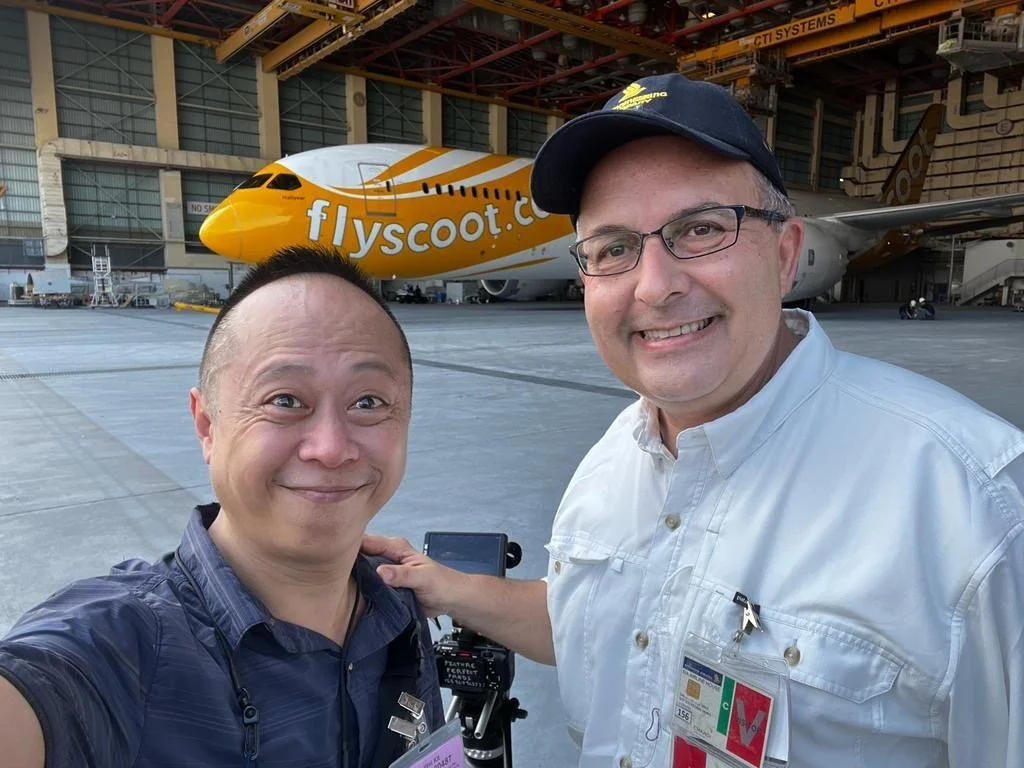
The original Image
Casting real people without making it awkward
Filming staff or customers can go very well or very badly. The difference is almost always preparation.
Cast for warmth, not seniority. The most senior person is not always the most watchable. Look for people who light up when they talk about their work.
Interview, don't script. Ask good questions and let people answer in their own words. Then edit for clarity.
Make the environment comfortable. Film people where they work, with a small crew, and give them time to settle.
Explain how the footage will be used. People relax when they know they'll have the chance to see it and feel respected.
Get proper consent. Especially now, people deserve to know how their image and voice will be used, including whether AI tools will be applied to it.
What authenticity is not
Authenticity is easy to claim and easy to fake. A few things that often get labelled authentic don't actually earn the word.
Shaky handheld footage for its own sake. Rough production doesn't make a message more honest. Audiences can tell when "raw" is a style choice covering a weak idea.
Heavily scripted "real" people. Employees reading marketing lines don't feel real, however natural the setting.
Only showing the good parts. Real stories have challenges, and acknowledging them makes the success more believable.
Borrowing someone else's reality. Stock footage of generic happy people, or a culture that isn't yours, undermines the trust you're trying to build.
Real authenticity comes from genuine people, honest stories and careful craft that serves both.
Where AI helps the human story
None of this means ignoring AI.
AI is useful around real stories rather than instead of them. It helps research and plan. It speeds up transcription and subtitles. It can create graphic elements, versions and translations. It can help an editor find the best moment in hours of interview footage.
The story itself, the face, the voice and the moment of truth, should stay real.
Craft still matters
Choosing real people doesn't mean lowering standards. Good lighting, clean sound, careful framing and thoughtful editing make real stories more powerful, not less honest. A real employee lit well and given time to speak comes across as confident and credible. Filmed carelessly, the same person can look uncomfortable, and the message suffers. Authenticity and craft work together.
The opportunity for brands
Every organisation has real stories inside it. People who solved difficult problems. Customers whose experience changed. Teams doing quietly remarkable work.
Most of those stories never get told, because they're hard to find and easy to overlook.
In a feed full of perfect, synthetic content, those stories are the most valuable thing you own.
Start small if you need to. One employee, one customer, one honest story, filmed well. See how your audience responds compared with your usual content. In our experience, the results tend to make the case for doing more.
Find the human story first. Then find the best way to tell it.
Looking for the real story inside your organisation? Let's talk. Finding it is where our work begins.
